Benefits
Proper Grooving Improves Cow Health and Herd Flow at the Same Time
By Rick Jr. · February 12, 2025
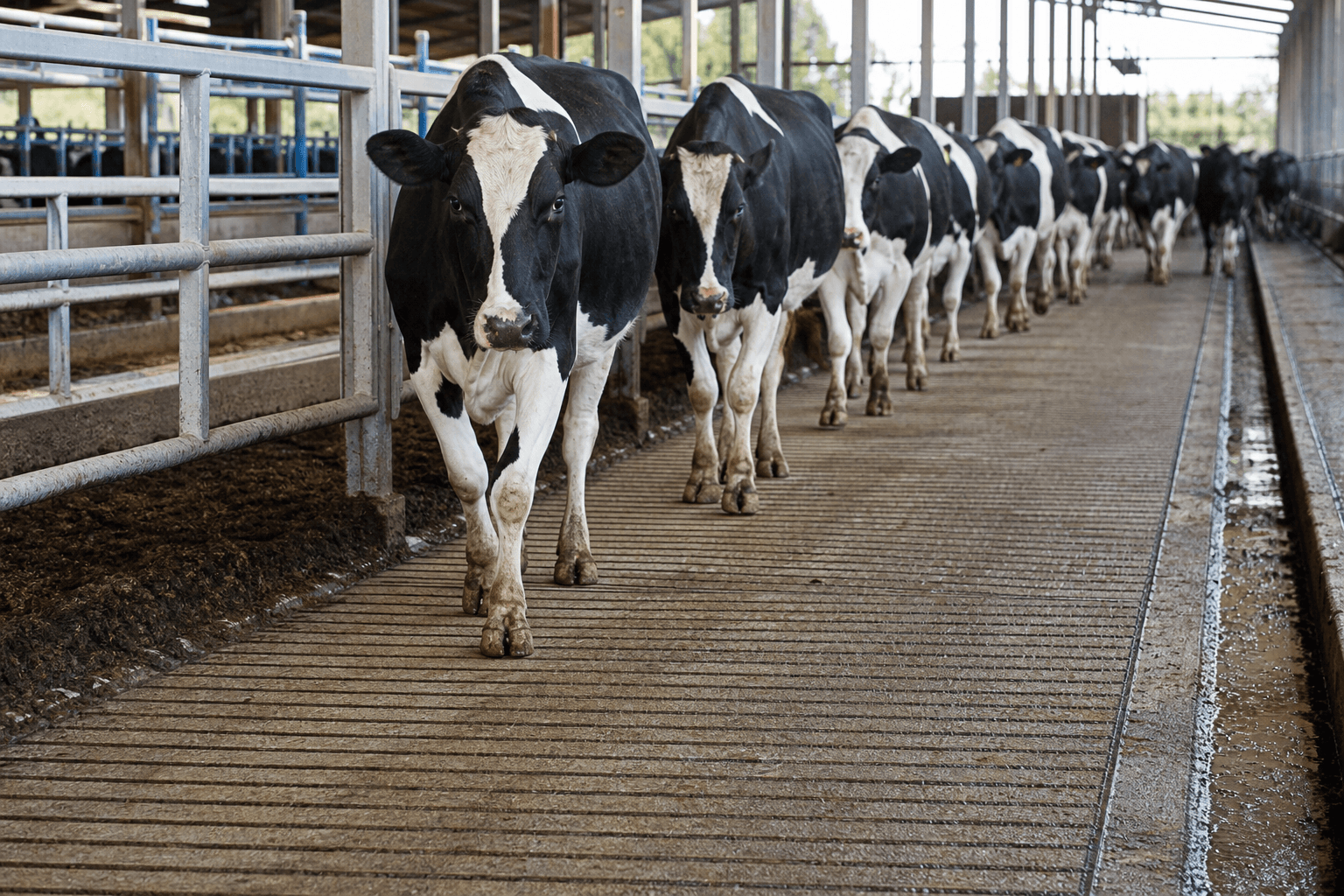
Cows moving smoothly through a grooved dairy barn alley showing improved herd flow and secure footing
Grooving done right doesn't just prevent slips — it keeps cows moving confidently through alleys, parlors, and free stalls. Better footing means less stress, smoother traffic, and healthier hooves across the whole herd.
Two Problems, One Fix
Cow health and herd flow usually get discussed separately. Health belongs to the vet and the hoof trimmer. Flow belongs to the milker and the barn manager watching shift changes. But on a dairy barn floor, they're the same problem wearing different hats. A cow that doesn't trust the footing walks slower, bunches up in alleys, and loads stress onto her feet and her neighbors.
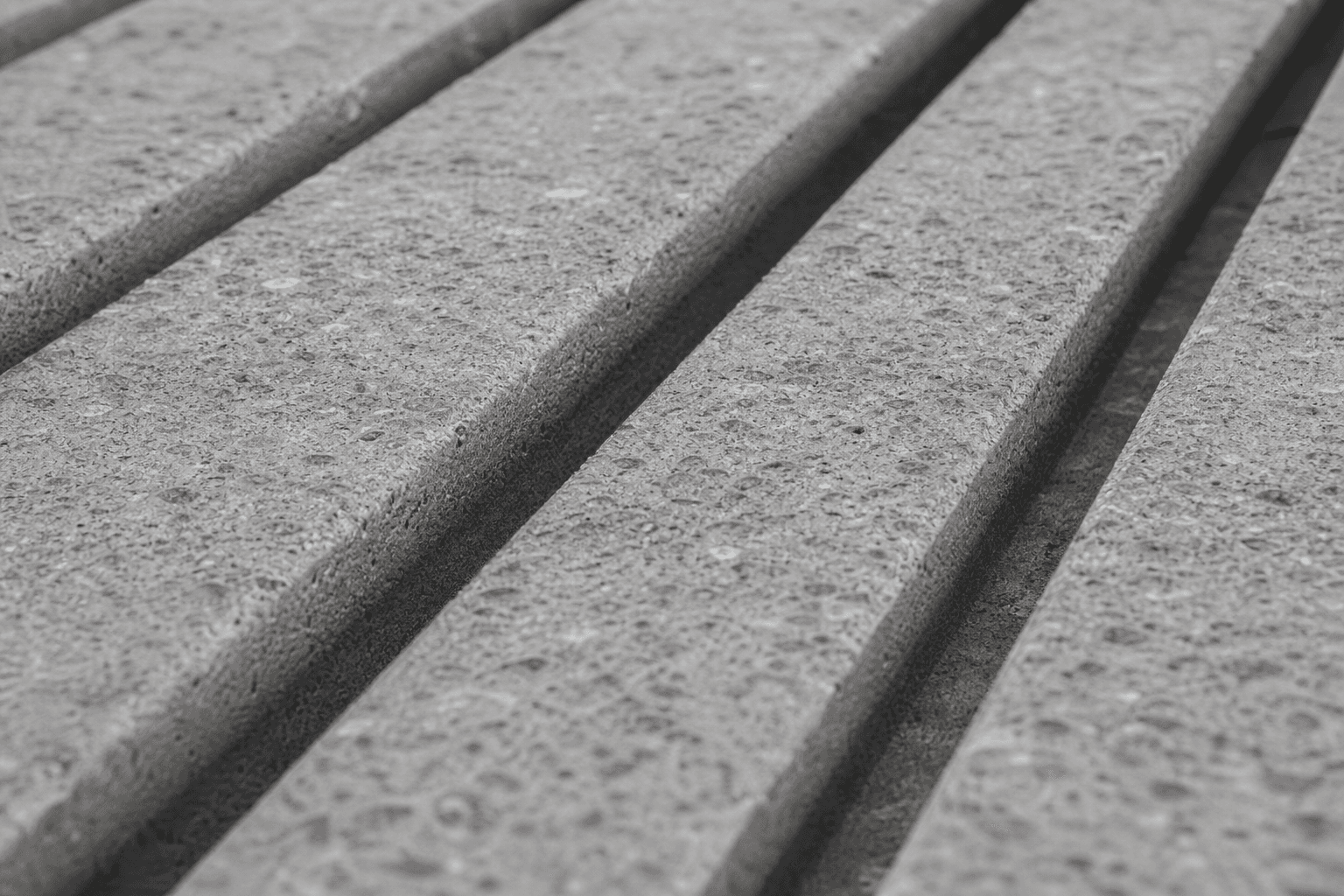
Proper grooving fixes both at once. Square-edged grooves give each hoof a mechanical grip on wet concrete. Cows walk with confidence instead of caution. Traffic loosens up. The cow that used to hang back at the parlor return now walks through without the scramble that was bruising her soles every milking.
That's why we push grooving as a herd management tool, not just a floor treatment. Read why grooving works for the science behind groove spacing and edge profile. The benefits start the day the saw finishes and last through the full 6–8 year regroove cycle when the floor is maintained.
A cow that doesn't trust the footing walks slower, bunches up, and loads stress onto her feet and her neighbors.
How Footing Affects Hoof Health
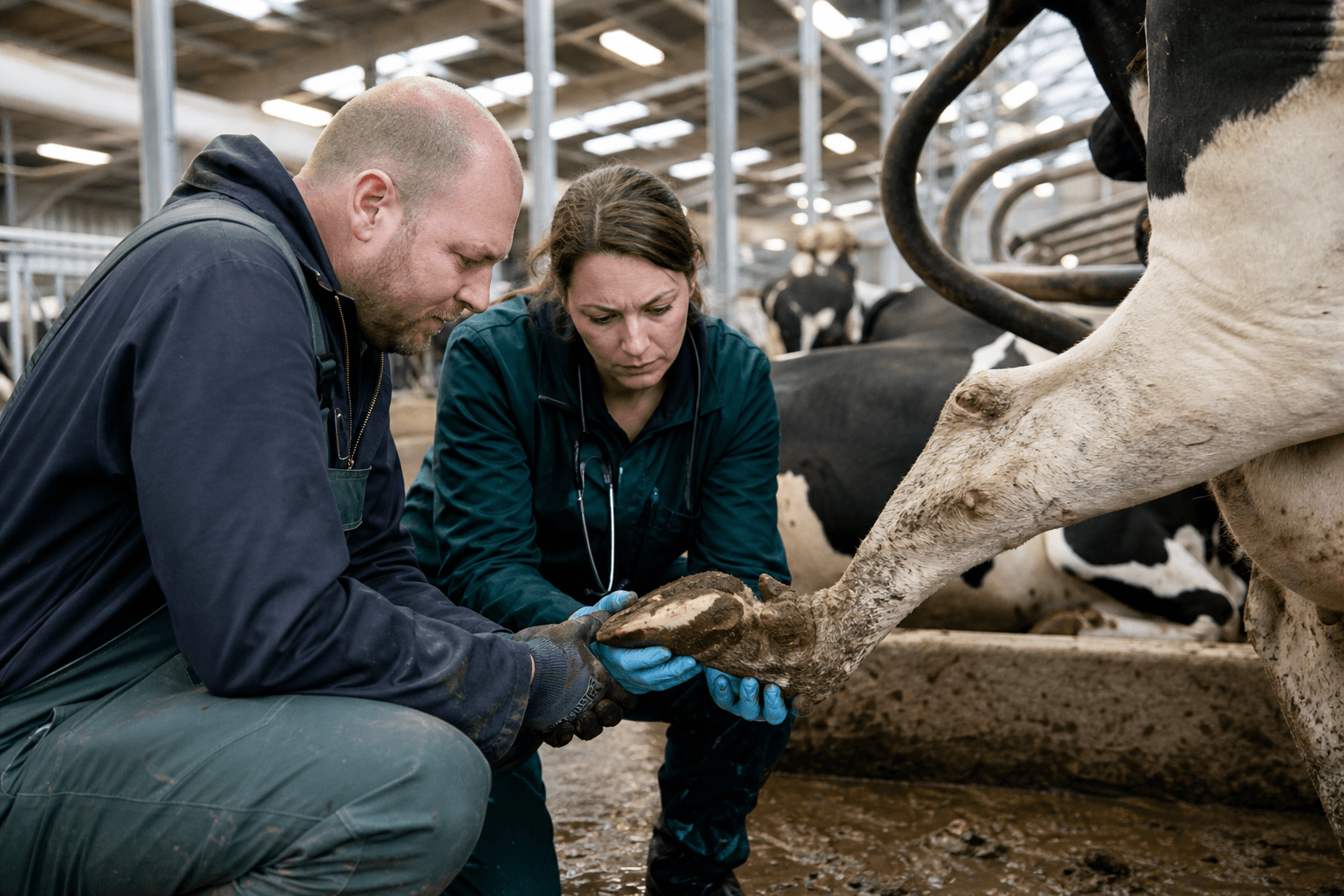
Hooves are built to bear weight evenly across the claw. When a cow slips or even micro-slips on smooth concrete, she compensates — shifting load, twisting her leg, or scraping her toe against the floor. Do that a few hundred times a day on the way to and from the parlor, and you've got the start of a white line lesion or a sole ulcer.
Industry numbers put the cost of a lameness case at $76–$533, with daily losses around $4.50 per lame cow and 700–900 lbs of milk gone over the course of the problem. Those aren't scare tactics. They're what hoof trimmers and herd managers report on farms where footing was ignored too long.
Proper grooving at roughly $0.75/sq ft gives hooves grip without the aggressive abrasion that bad cuts or wrong surface treatments cause. The Dairyland Initiative standard — developed through MSU and UW–Madison research — specifies square edges and spacing that protect hooves while providing traction. That's the profile our crew has cut for 35+ years.
Sand bedding tracked onto alleys doesn't replace grooving — it creates inconsistent grip that changes hour to hour. Cows can't learn confident movement on a surface that's slick at 6 a.m. and gritty at noon. Stable groove edges give consistent footing regardless of bedding and manure management variables you already fight every day.
Herd Flow You Can See at Milking Time
Watch a barn at shift change on slick floors. Cows bottleneck at the return lane. The last third of the group trickles in because nobody wants to walk fast on ice-smooth concrete with manure film on top. Milking starts late. The next group backs up. The whole schedule slips.
Now watch the same barn after proper grooving. Cows move in a steady stream. The return lane clears. Milkers aren't waiting on stragglers that are afraid of the corner. I've had farm managers tell me they picked up twenty minutes per shift without changing anything except the floor. That's real time and real labor savings.
Different zones need different patterns. Straight-line grooves work for long alleys. Diamond patterns help at turns and waterers. Our grooving patterns page breaks down what works where. The point is matching the cut to how your cows actually move — not just running a saw down the middle and calling it done.
What Proper Grooving Looks Like
Proper means square-edged — clean 90-degree edges that give hooves a positive stop without grinding. It means spacing that matches the Dairyland Initiative recommendations for your application. It means cutting the zones that matter: alleys, free stall rows, holding areas, parlor returns, and any ramp or transition where cows change elevation or direction.
Proper also means knowing what not to do. Grooves that are too close together trap manure and create maintenance headaches. Grooves that are too shallow wear out in three years instead of eight. Rounded edges from a dull blade or the wrong equipment might look grooved from a distance but won't grip when a 1,500-pound cow needs them to.
Compare that to milling or other alternatives on our grooving vs milling page. The difference in hoof health outcomes and long-term traction is why we stick with diamond-blade grooving on every job. It's the proven standard for a reason.
The Economics of Doing It Right
Cheap grooving is expensive grooving. If a cut lasts half as long, you're paying twice over a decade. If bad spacing contributes to hoof problems, you're paying trimmers and vets on top of the regroove bill. Proper work from an experienced crew costs about $0.75/sq ft and protects you for 6–8 years.
Stack that against lameness at $4.50/day per cow — the #3 cost on a dairy farm after feed and labor. A 300-cow dairy losing just five extra cows to lameness-related culls per year is hemorrhaging money that proper grooving would have prevented. The payback math isn't complicated.
We offer a free estimate so you know your real cost before we show up. No games, no inflated square footage. Our services cover alleys, free stalls, holding parlors, barnyard ramps, and regrooving — whatever your barn layout needs.
Cheap grooving is expensive grooving. Bad spacing and dull edges cost you twice over a decade.
Keep Your Herd on All Fours
That's our tagline because it's the whole point. Healthy cows on confident footing move better, milk better, and stay in the herd longer. Proper grooving is one of the most straightforward ways to protect both cow health and herd flow at the same time.
If your barn was grooved more than six years ago, or if it was never grooved in the high-traffic zones, schedule an evaluation this season. Spring and fall are our busiest windows, but winter walk-throughs work too — wet floors tell the truth faster than dry ones.
Davidson Cement Grooving has been cutting square-edged grooves for 35+ years. Father-and-son crew, fair pricing, nationwide travel for larger barns. Get in touch for a free estimate and let's talk about what your floor needs.
Measuring Success Beyond the Saw Marks
The groove pattern should be visible when we finish, but the real measure is cow behavior six weeks later. Cows walking with heads up, return lanes clearing at shift change, trimmer sheets showing fewer new sole lesions — that's success. If you're still seeing hesitation at the same corners, something was missed in zone selection or edge profile.
Track lameness rate quarterly after grooving. Even a three-point drop on a 400-cow dairy saves thousands at $4.50 per day per lame cow. Pair that with milk per cow and cull reasons tagged to feet. The floor improvement shows up in those numbers before it shows up in anyone's gut feeling.
Proper grooving is a long game played on a 6–8 year cycle. The first cut sets you up. Regrooving on schedule keeps herd flow and hoof health where they belong — on solid footing, with square edges that grip when wet manure says otherwise.
Bring your milker into the conversation. They see traffic patterns the office misses — where cows bunch, where someone always yells at a straggler, which return lane backs up when the holding area is full. Their input improves zone selection before we cut and gives you a baseline to compare after. When they say shift change is smoother, that's herd flow you can bank on.
Keep your herd on all fours. That's the standard we cut to every day. Call for a walk-through or free estimate when you're ready.
Frequently Asked Questions
How soon after grooving will we see improved herd flow?
Most farms notice smoother traffic within the first week as cows adjust to the new grip. The full benefit shows over the following lactation as new lameness cases drop and hoof trimmer reports improve.
Does grooving work in free stall barns and parlors?
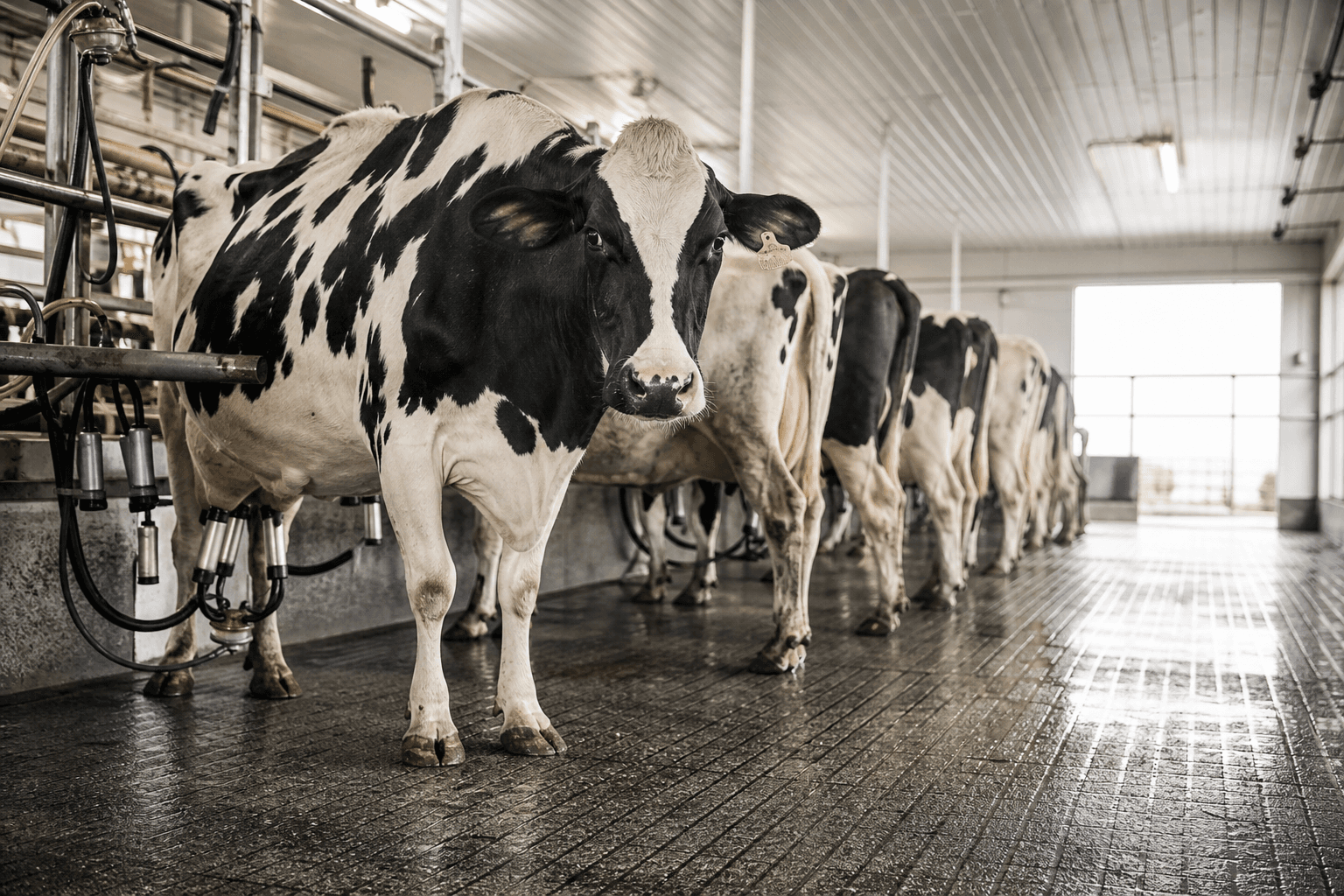
Yes. Free stall rows, alleys, holding areas, and parlor returns all benefit from proper grooving. Each zone may use a different pattern depending on traffic and layout. We evaluate your barn and recommend cuts for where cows actually walk.
Will grooving damage my cows' hooves?
Not when grooves are square-edged and cut at proper Dairyland Initiative spacing. That profile provides grip without excessive abrasion. Problems come from wrong spacing, rounded edges, or overly aggressive surface treatments — not from professional grooving done right.