Benefits
Calm Cows, Faster Parlor Turns: What Grooved Floors Do for Milking
By Rick Jr. · February 10, 2026
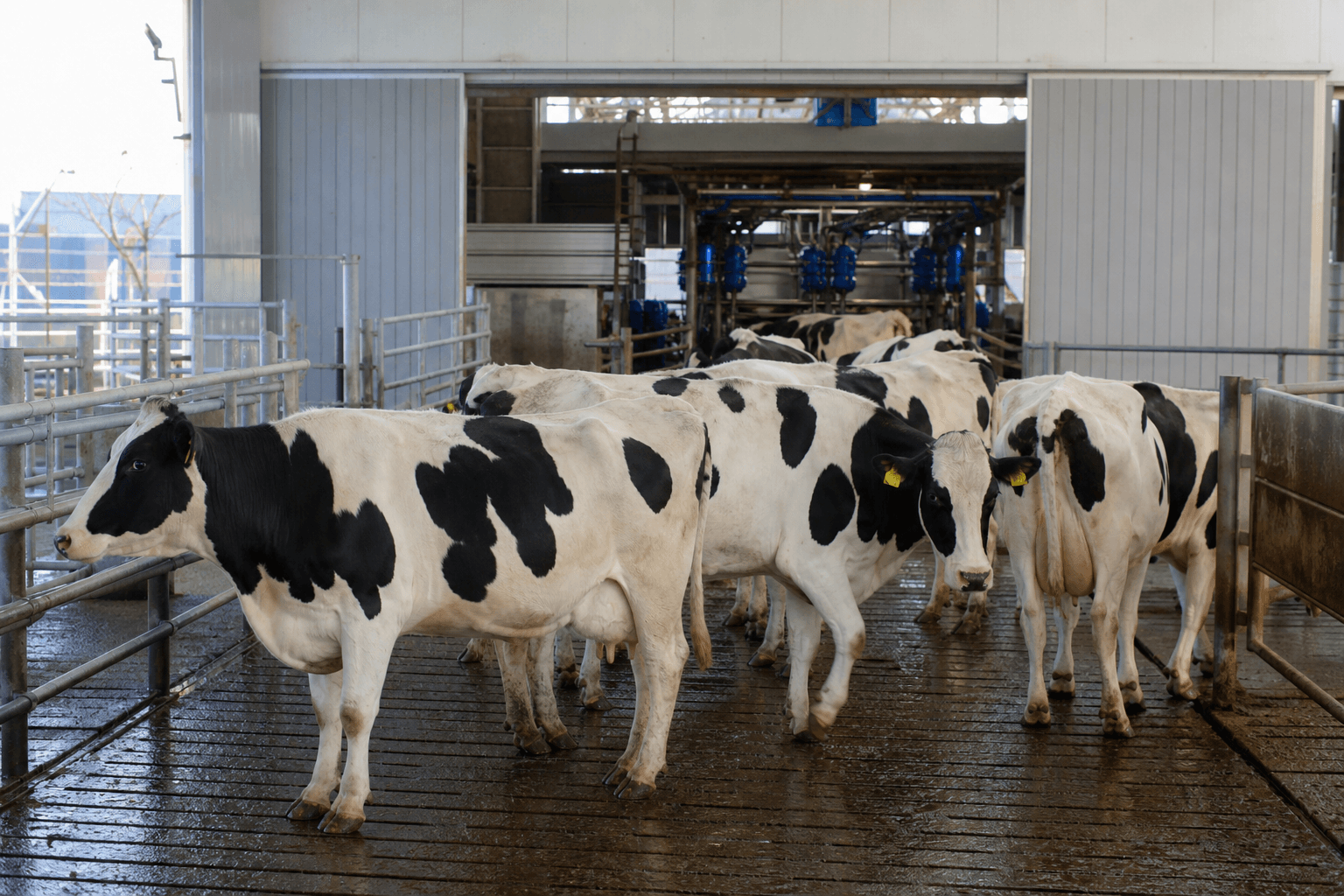
Calm dairy cows on grooved holding area and parlor floors moving efficiently through milking
Hesitation in the holding area and parlor costs time on every turn. Grooved floors give cows confidence — and that confidence shows up in your parlor throughput.
The Hidden Cost of Parlor Hesitation
Every dairy manager tracks parlor throughput — turns per hour, stall time, unit-on time. But the floor rarely gets credit for the numbers it affects. When cows hesitate entering the parlor, shuffle in the holding area, or slip on wet return lanes, every second of delay multiplies across hundreds of cows and twice-daily milkings. A cow that takes three extra seconds to enter the parlor costs you minutes per group, hours per week, and real labor overtime by year-end.
Smooth, wet concrete in holding areas and parlors is the most common cause of parlor hesitation we see on walk-throughs. Cows aren't being difficult — they're being cautious. A 1,500-pound animal that has slipped on slick concrete remembers, and she slows down the next time. Grooving restores the confidence that keeps groups moving. Learn more about why traction changes cow behavior — not just cow health.
A hesitant cow isn't a stubborn cow. She's a cow that doesn't trust the floor.
Holding Areas: Where Groups Stand and Wait
The holding area is where cow anxiety shows up loudest. Cows crowd together on wet, smooth concrete — often after walking across grooved alleys where they felt secure. The traction change at the holding area entrance creates hesitation at the worst possible point: a bottleneck where the whole group stalls behind one cautious cow. Grooving the holding area eliminates that cliff and lets cows enter and stand calmly.
Standing time in holding matters for hoof health too. Cows on slick floors shift weight constantly, lifting feet and leaning to maintain balance. That constant micro-adjustment adds hoof wear and leg stress — contributing to the lameness that costs $4.50/day and strips 700–900 lbs of milk from a lactation. Secure footing lets cows stand quietly, which is exactly what you want before they enter the parlor calm and ready.
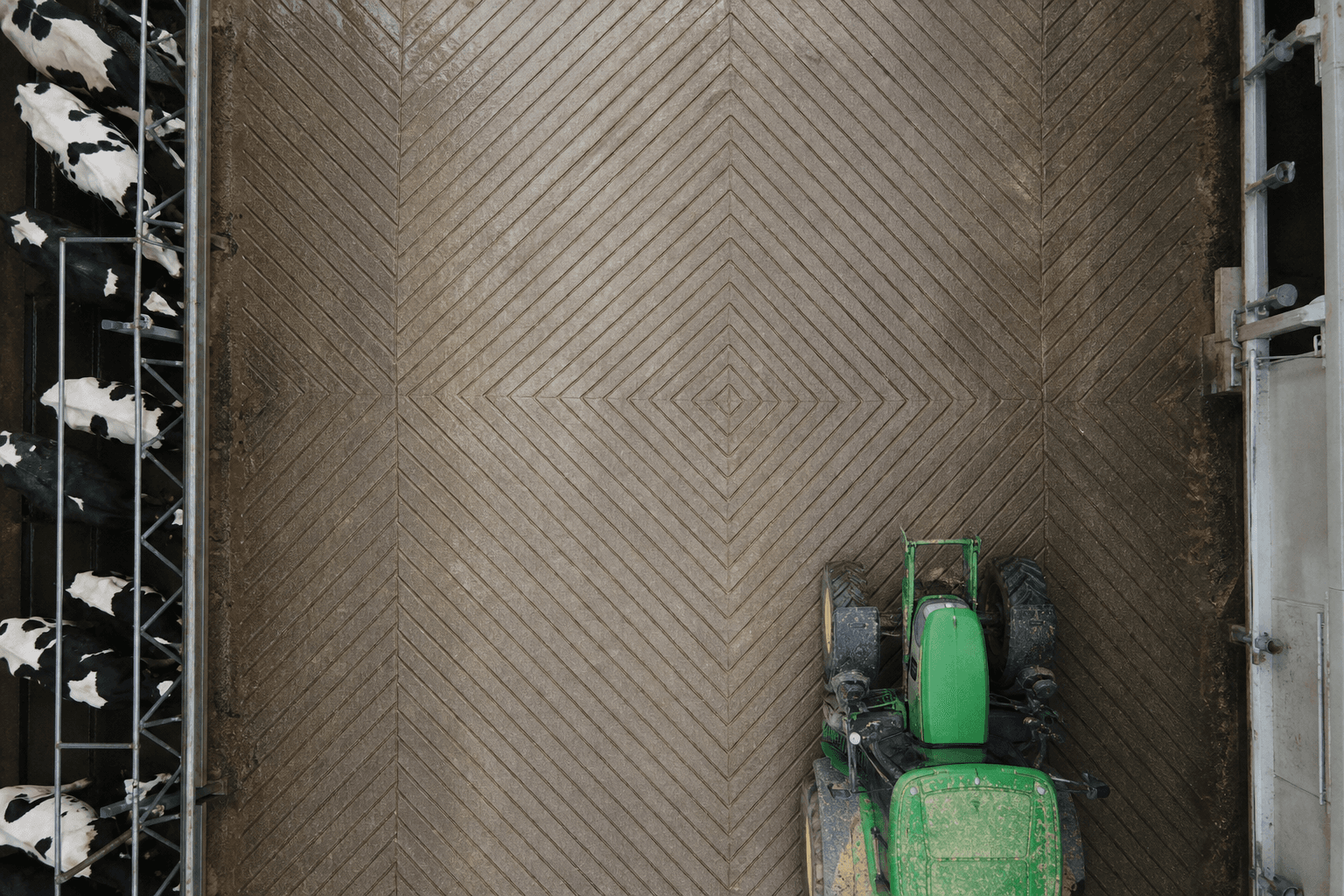
Our holding area and parlor grooving service covers the full zone — entry ramp, standing area, and parlor approach. We typically use straight-line grooves in holding areas with diamond pattern at entry points where cows turn. Pattern details are on our patterns page.
Inside the Parlor: Traction Where It Matters
Parlor floors take a unique beating — constant water, manure, detergent, and cow movement in a confined space. Smooth parlor concrete is a slip hazard for both cows and workers. Grooving the parlor platform and exit lanes gives cows secure footing during entry, standing, and exit — and gives your milkers a safer workspace too.
Parlor grooving requires careful planning around equipment — pit edges, rapid exit lanes, automatic takeoffs, and wash-down drainage. Our crew has grooved hundreds of parlors and knows how to cut around hardware without compromising pattern integrity. Grooves are cut to drain properly so water doesn't pool in channels — a detail that separates experienced grooving crews from general concrete contractors.
The throughput improvement from parlor grooving is often the first thing managers report. Groups enter faster, cows stand calmer, and exits are cleaner without the bunching and backing that slick floors cause. Faster turns mean more cows milked per hour with the same labor — a direct productivity gain that doesn't show up on a grooving quote but shows up on every milk check.
Return Lanes and Exit Flow
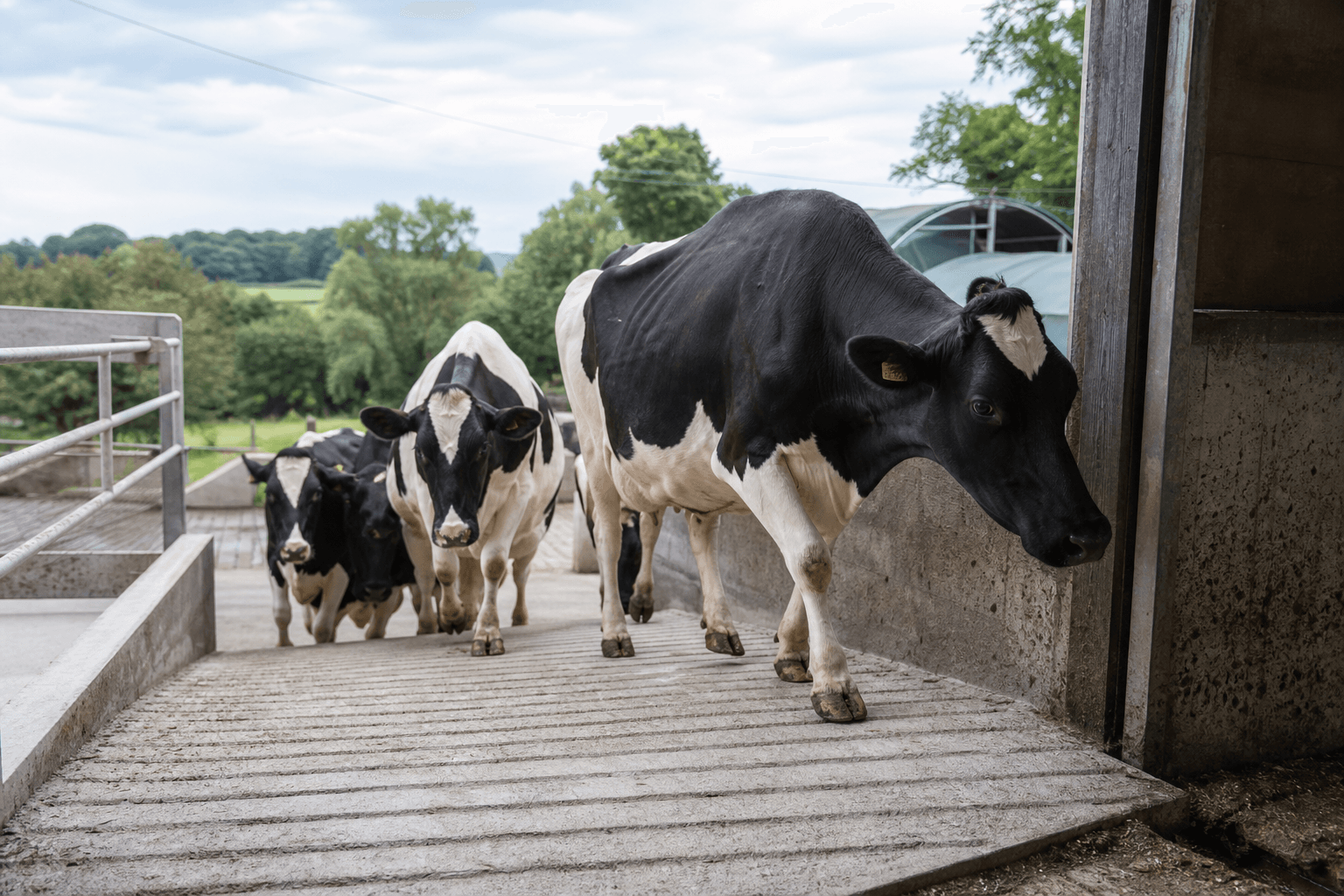
The trip out of the parlor matters as much as the trip in. Return lanes with smooth concrete cause cows to exit cautiously, backing up the parlor and slowing the next group. Grooved return lanes let cows walk out confidently, which keeps the parlor cycle moving. Diamond pattern at parlor exits — where cows pivot from the platform to the return lane — adds multi-directional grip at the highest-torque moment.
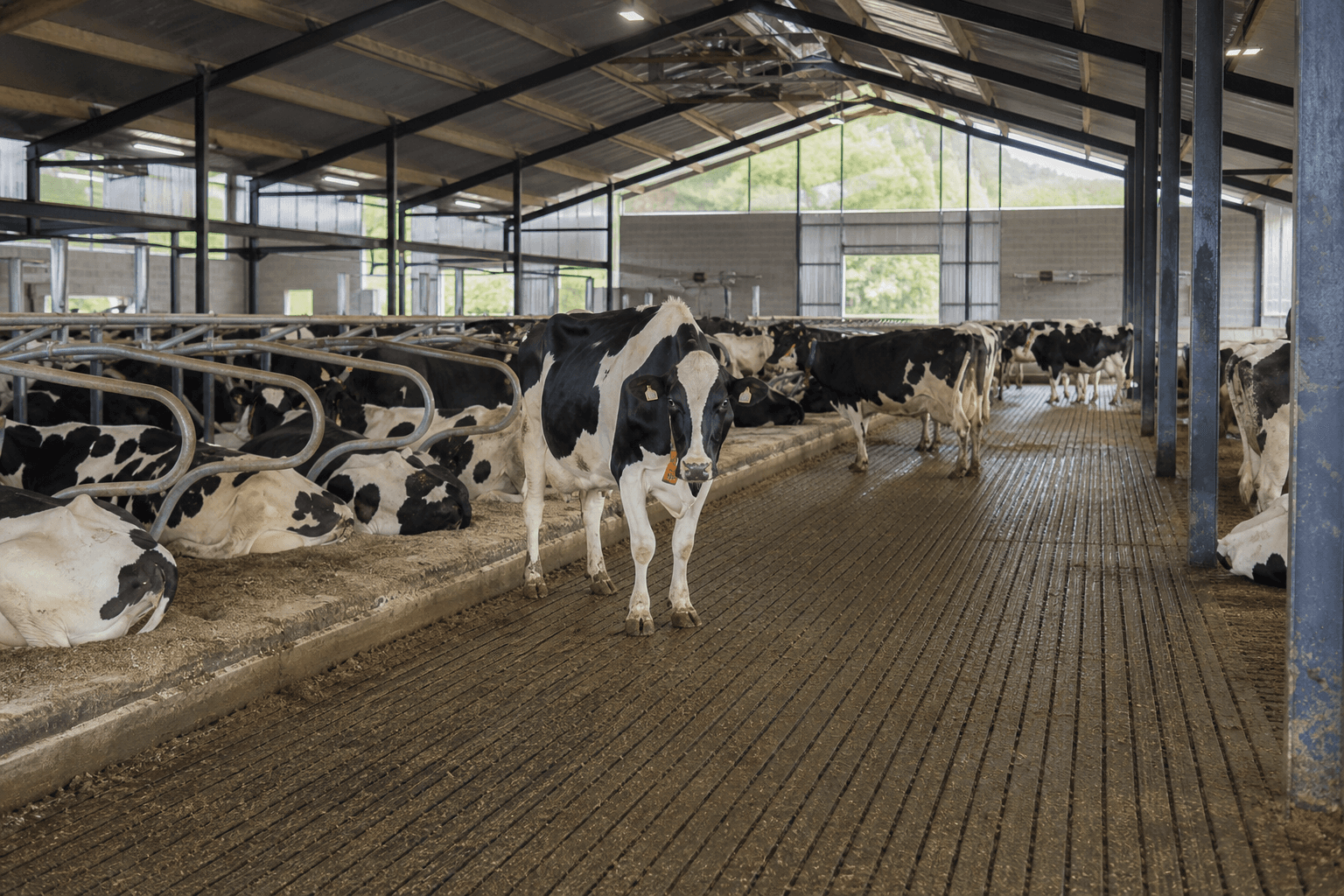
Wet return lanes are especially dangerous because water films smooth concrete and eliminates what little friction remains. Grooved return lanes channel water while maintaining edge grip — cows walk through wet conditions without the slide they'd get on smooth surfaces. If your return lane is where you see the most slips despite a grooved parlor, the lane itself is the gap.
Many farms groove the parlor and holding area first, then add return lanes in a second phase. That sequencing captures most of the throughput benefit early. Request a free estimate for the full parlor zone and we'll help you decide what to prioritize if phasing makes sense for your schedule.
Night milkings expose parlor traction gaps first — tired cows, wet platforms, and reduced staff attention combine to reveal problems day shifts mask. If slips cluster on a particular shift, the floor is telling you where to groove first.
Measuring the Payoff in Turns and Temperament
Parlor throughput is easy to measure — count your turns per hour before and after grooving. But also watch cow temperament. Calmer cows in the holding area mean less worker stress, fewer gate injuries, and less hoof trauma from crowding and shoving. A calm holding area is a safer holding area for cows and people alike.
Milkers notice the difference immediately. Less tail switching, less kicking, less time coaxing hesitant cows into stalls. That labor savings compounds across every milking shift, every day, every year. When you add labor savings to throughput gains to lameness reduction, parlor grooving becomes one of the highest-return zones in the barn — often at a fraction of what parlor equipment upgrades cost.
At roughly $0.75/sq ft, parlor and holding area grooving is a modest investment against the daily productivity losses of smooth floors. Compare that to the cost of one lame cow at $4.50/day and the case for grooving the parlor zone becomes straightforward. Lameness is the #3 cost on a dairy farm — and the parlor is where a significant share of standing time and foot stress concentrates.
Workers feel the difference too — milkers walking wet parlor platforms on slick concrete slip alongside cows. Grooving the parlor zone is a people-safety investment as well as a herd-health investment, and it shows up in fewer worker comp claims on farms that track them.
Getting the Parlor Zone Done Right
Parlor grooving isn't a job for a crew that's never worked around milking equipment. Timing, pattern selection, drainage planning, and hardware clearance all require barn experience — not just concrete experience. Our traveling crew schedules parlor work around your milking shifts, often grooving between sessions or during planned downtime.
We'll walk your parlor, holding area, and return lanes with you before quoting. You'll see exactly where we recommend grooves, which patterns suit each zone, and what the job looks like on your floor plan. No surprises on cut day. Learn about our 35+ years of parlor work on the about page, or compare grooving to other treatments on our grooving vs. milling page. Calm cows and faster turns start with a floor they can trust.
Time your parlor turns for one week before grooving and again two weeks after — most managers see measurable improvement in group entry speed alone. That single metric often justifies the holding-area investment before you count lameness reduction or milk production recovery across the herd.
Diamond grooving at parlor exits handles the pivot from platform to return lane — the highest-torque moment in the milking cycle. Skipping that turn zone while grooving the parlor platform leaves the most dangerous square footage untreated.
Parlor grooving is often the fastest payback zone in the barn because throughput gains show up on the first milking after cut day.
That first calm group through a grooved holding area tells you everything the spreadsheet will confirm over the next month.
Frequently Asked Questions
Can you groove the parlor without shutting down milking?
Often yes. We schedule around milking shifts — grooving between sessions, overnight, or during planned downtime. We'll work with your schedule to minimize disruption.
Will grooves in the parlor affect drainage?
Properly cut grooves channel water toward existing drains without pooling. Our crew plans groove direction around your drainage layout. Poor drainage planning is a sign of an inexperienced crew — not a problem with grooving itself.
Which parlor zones give the best throughput improvement?
Holding area and parlor entry typically show the fastest improvement because that's where hesitation bottlenecks occur. Return lanes and exit pivots are close second priorities. We recommend grooving the full parlor zone for maximum benefit.