Farm Economics
Grooving ROI: A One-Time Investment That Pays Every Milk Check
By Rick Jr. · December 9, 2025
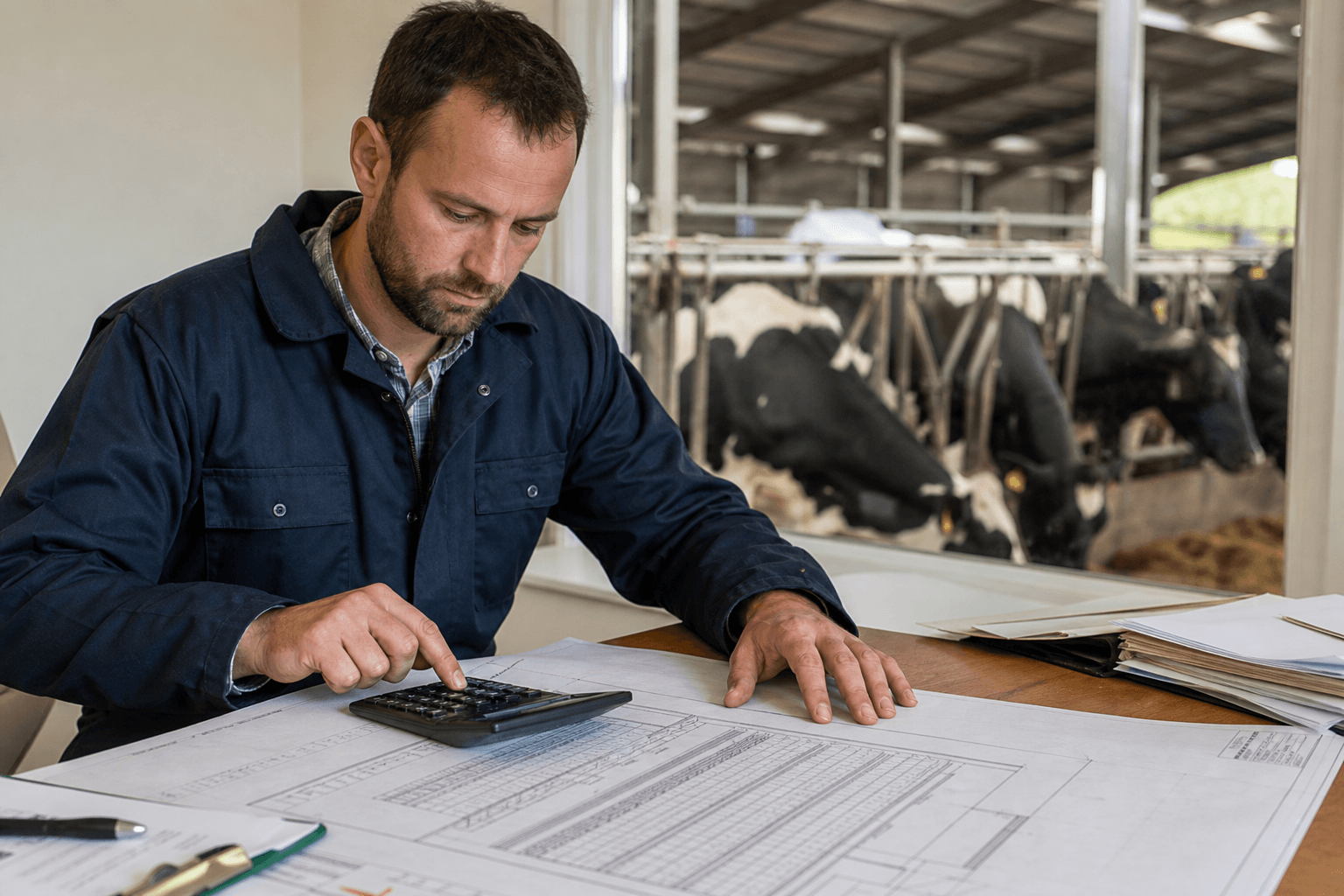
Return on investment from dairy barn concrete grooving compared to lameness treatment costs
At roughly $0.75 per square foot, concrete grooving costs less than most managers expect — and far less than the lameness it prevents.
The Math Every Herd Manager Should Run
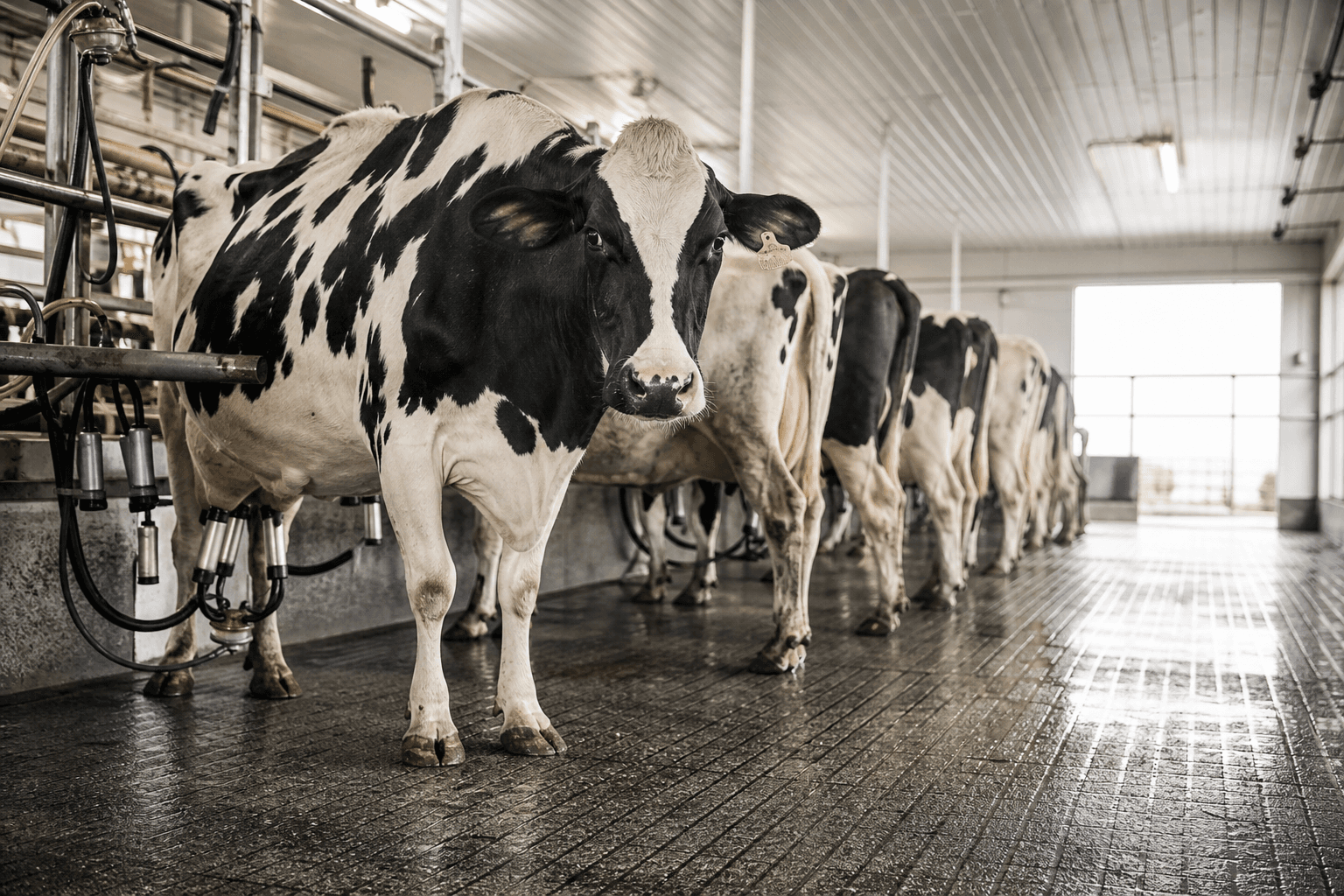
Before you spend a dollar on barn improvements, you run the numbers. Grooving is no different — and the numbers are strongly in your favor. Lameness costs roughly $4.50 per day per affected cow. Over a lactation, a single lame cow can lose 700–900 pounds of milk. Treatment runs $76–$533 per case depending on severity. Lameness is the #3 cost on a dairy farm, right behind feed and labor. Floor traction is one of the most direct levers you have to pull that cost down.
Grooving runs roughly $0.75 per square foot — fair, flat pricing with no salesman markup from our crew. For a 200-cow dairy at 15 square feet per cow, you're looking at a total investment that often costs less than treating five serious lameness cases. And grooving protects the entire herd for 6–8 years before regrooving, not just one cow for one lactation. If you haven't run this comparison for your barn, request a free estimate and we'll put real numbers on your floor plan.
One grooving job protects every cow in the barn for years. One lameness case costs you every day she's in the herd.
What You're Actually Paying For
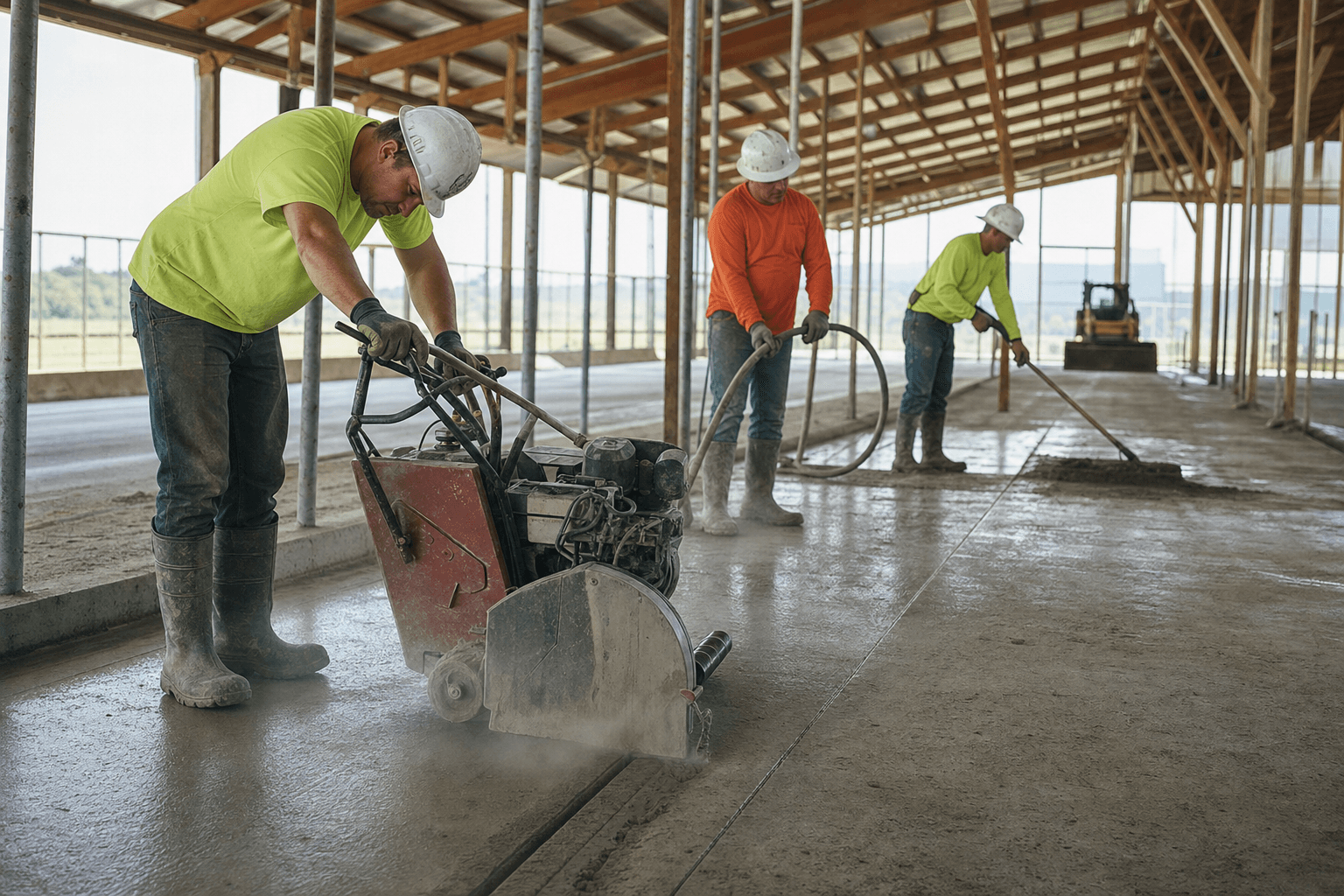
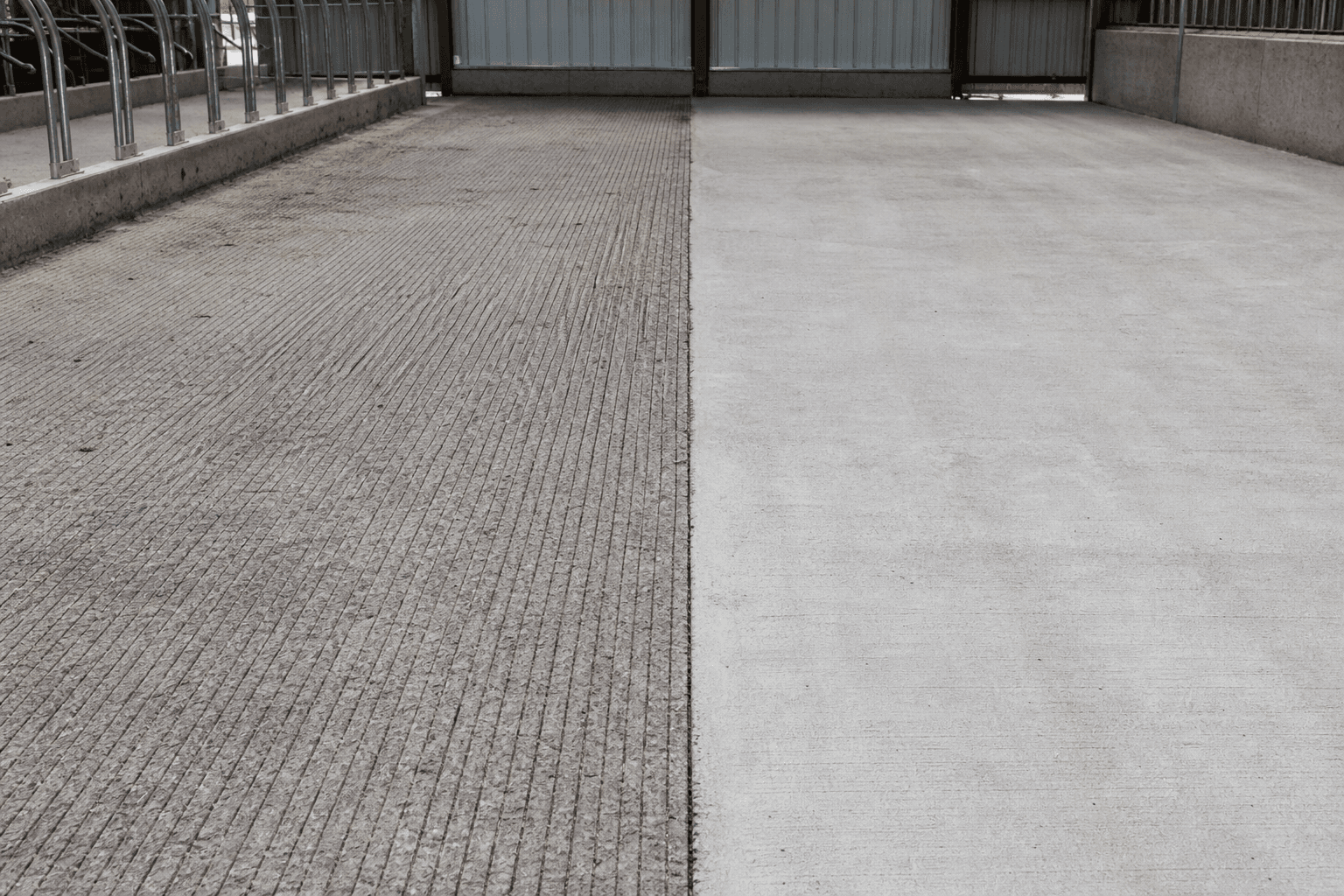
Grooving isn't a surface coating or a temporary fix. It's precision cutting — square-edged grooves at research-backed spacing, cut into the concrete itself. The equipment, blade quality, and crew experience determine whether those grooves last 6–8 years or fail in two. Our crew has been cutting grooves for 35+ years. We show up when we say we will, cut square edges, and charge a fair price. That's what $0.75/sq ft buys you: decades of proven traction, not a salesperson's promise.
The per-square-foot rate varies slightly based on floor condition, total area, and pattern complexity. A full-barn job across multiple zones gets the best value because mobilization is spread over more footage. Diamond pattern in turn areas adds cutting time but covers a small fraction of total square footage. We quote every job after a walk-through — no ballpark guesses, no hidden fees. See what's included in our grooving services.
Compare that to the alternatives. Floor replacement runs $8–$15+ per square foot and takes the barn offline. Rubber matting costs $3–$6 per square foot plus installation, requires replacement every few years, and traps moisture underneath. Milling runs similar per-foot costs to grooving but with higher hoof abrasion risk and less predictable wear. Grooving is the lowest-cost permanent traction solution available for dairy concrete.
Building the ROI Case for Ownership
If you're a herd manager making the case to ownership, lead with lameness cost — not grooving cost. A 200-cow herd with a 25% lameness rate has 50 affected cows at any given time. At $4.50/day, that's $225 per day, or over $82,000 per year in lameness-related losses before you count milk production drops, treatment, culling, and replacement heifer costs. Reducing lameness incidence by even 20% saves $16,000+ annually.
Grooving a 200-cow barn at 15 sq ft per cow and $0.75/sq ft is roughly $2,250. That investment pays for itself if it prevents a handful of lameness cases — and the protection lasts 6–8 years. Regrooving at the end of that cycle costs the same per foot and resets the clock for another 6–8 years. Spread over a 20-year horizon, you're looking at three grooving cycles versus decades of lameness losses on smooth floors. The ROI isn't close.
Lenders and accountants understand capital investments with measurable returns. Grooving qualifies. It's a one-time capital expense that reduces operating losses — the same category as ventilation upgrades or milking equipment improvements. Frame it that way and the conversation shifts from "can we afford it?" to "can we afford not to?"
The 6–8 Year Regroove Cycle
Grooving isn't a one-and-done expense — but it's close. Square-edged grooves wear gradually as cow traffic rounds the edges over 6–8 years. When traction drops, regrooving restores the edges without replacing the floor. Regrooving costs the same per square foot as the initial cut and takes a fraction of the time because the pattern is already established.
Planning the regroove cycle is part of the ROI calculation. Initial grooving in year one, regroove in year seven or eight — over 20 years, that's three grooving investments versus continuous lameness losses on untreated floors. Compare three grooving cycles at $0.75/sq ft against 20 years of lameness at $4.50/day per affected cow, and the math speaks for itself.
We remind farms when they're approaching the regroove window — before lameness spikes, not after. If your barn was grooved 6–8 years ago and cows are hesitating on the floor again, you're due. Read about the long-term benefits of grooving and how regrooving fits into a sound barn maintenance plan.
Phasing to Match Cash Flow
Not every farm can groove the entire barn in one season — and you don't have to. Phasing by zone captures most of the ROI early while spreading cost across budget cycles. Start with alleys and holding areas where footfall is highest and slip risk is greatest. Add free stalls and turn zones the following season. Each phase delivers measurable lameness reduction without waiting for the full barn to be done.
We quote phases independently so you know the cost of each zone before committing to the full project. Many farms schedule alley grooving during a dry period and stall grooving during a barn renovation or between groups. We work around your production schedule — the crew travels nationwide and plans mobilization around your timing, not the other way around.
Whether you go all-in or phase it, the per-square-foot rate stays the same. No premium for small jobs, no volume discount games. Fair pricing is how we've built the business. Get a free estimate for the full barn or just the zones that hurt most, and we'll help you build a phasing plan that matches your cash flow.
Spread the grooving investment across your cost centers the same way you'd spread a ventilation upgrade — alleys and holding in year one capture daily footfall benefits; stalls in year two address resting-time injuries; turns and ramps in year three close the remaining gaps. Each phase stands on its own ROI even before the barn is complete.
Real Results, Not Projections
We don't guarantee specific lameness reductions because every herd is different. But the economics of floor traction are well documented — the Dairyland Initiative, university extension, and decades of field data all point the same direction. Farms that grooved and tracked their numbers consistently report lower lameness incidence, better milk production, and fewer culls for feet and legs.
The farms that wish they'd done it sooner always say the same thing: the grooving cost was less than they expected, and the lameness cost was more. Don't wait until your hoof trimmer and vet bills force the conversation. Walk your barn, run the numbers, and compare what grooving costs against what smooth floors are costing you every day. Learn more about our 35-year track record on the about page, or compare grooving to alternatives on our grooving vs. milling page.
Track lameness incidence for one month before grooving and again six months after — the comparison builds the case for ownership, lenders, and your own budget planning better than any industry average. Most managers who run that before-and-after never question the next regroove cycle when year six rolls around.
Case costs run $76–$533 depending on severity — one vet bill can exceed the grooving cost for an entire zone. When ownership asks whether grooving is worth it, stack three treatment invoices against one written estimate and the conversation usually ends quickly.
Frequently Asked Questions
How much does grooving cost for a typical 200-cow dairy?
At roughly $0.75/sq ft and about 15 sq ft per cow, a full 200-cow barn runs approximately $2,250. Actual cost depends on floor condition, patterns used, and total square footage. We provide exact quotes after a walk-through.
How quickly does grooving pay for itself?
Most farms see ROI within the first lactation if grooving prevents even a handful of lameness cases. At $4.50/day per lame cow and $76–$533 per treatment case, the investment often pays back within months, not years.
Is regrooving included in the initial quote?
Regrooving is a separate job 6–8 years later at the same per-square-foot rate. We don't bundle it into the initial quote because timing depends on wear. We do remind farms when they're approaching the regroove window.